

.jpg?width=5405&height=3466&name=R6M23866%20(1).jpg)

.jpg?width=8064&height=4536&name=DJI_20251029111957_0067_D%20(3).jpg)
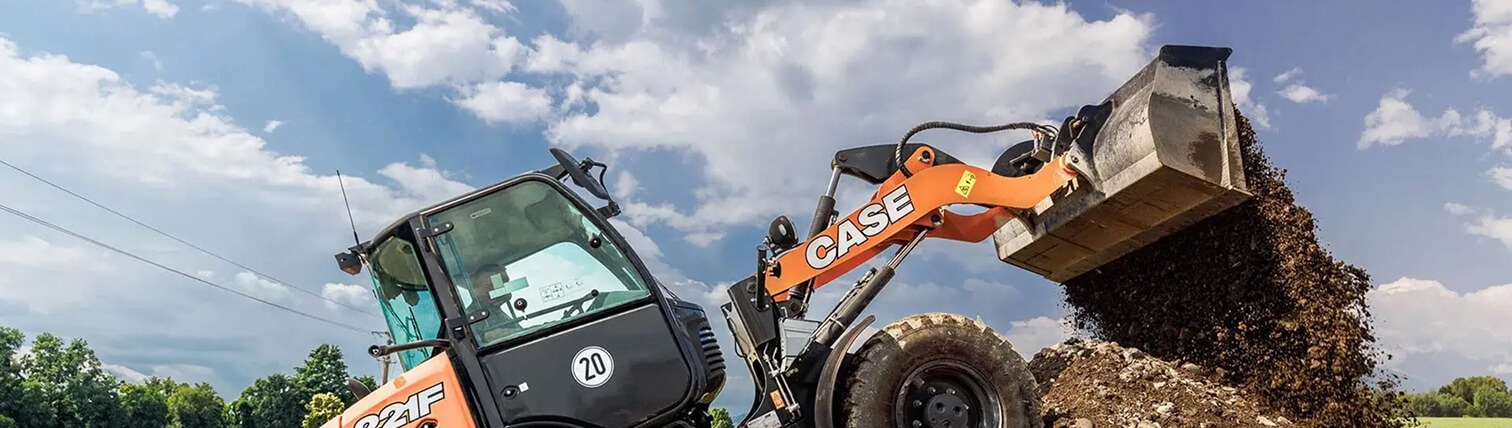
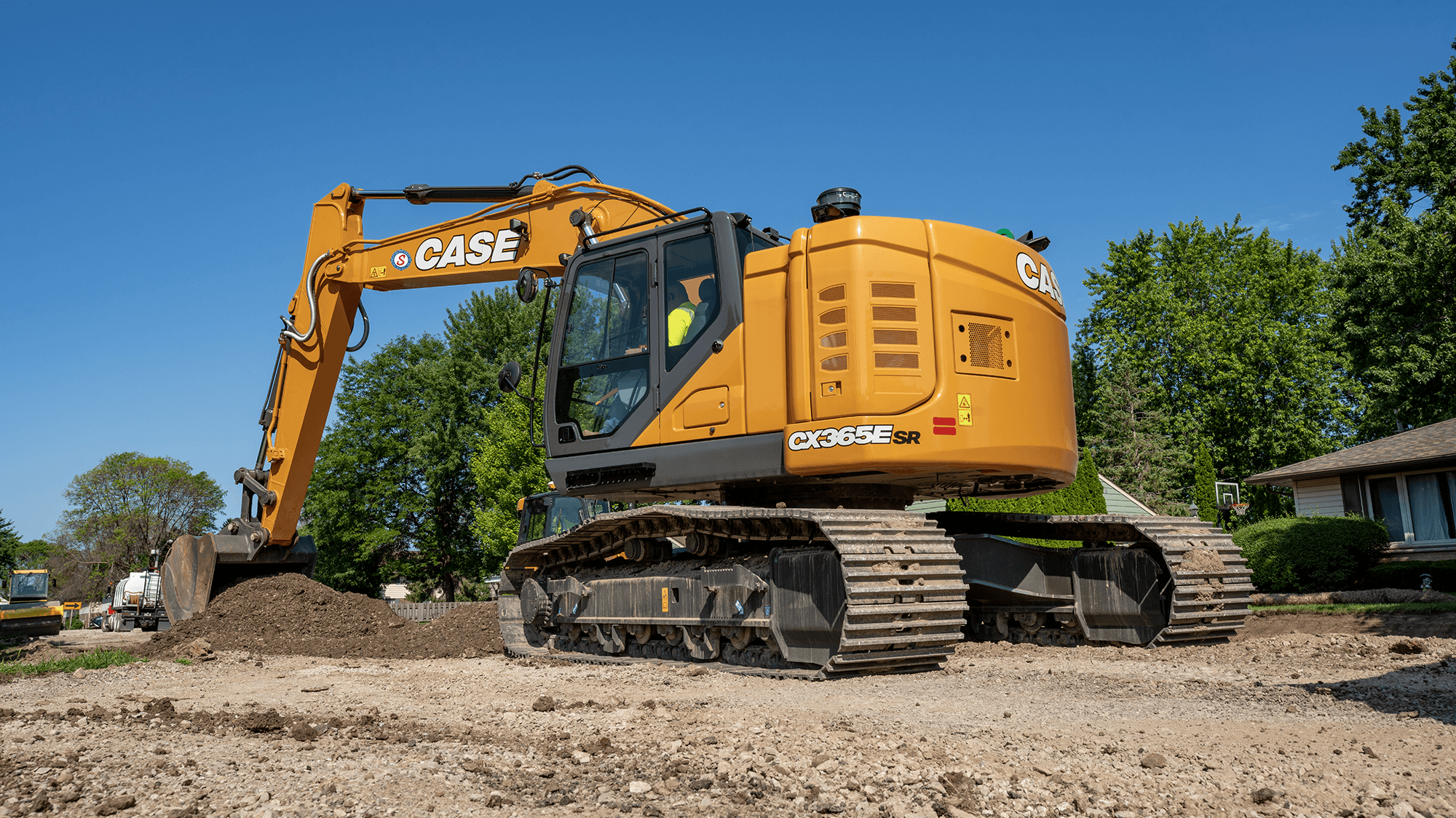
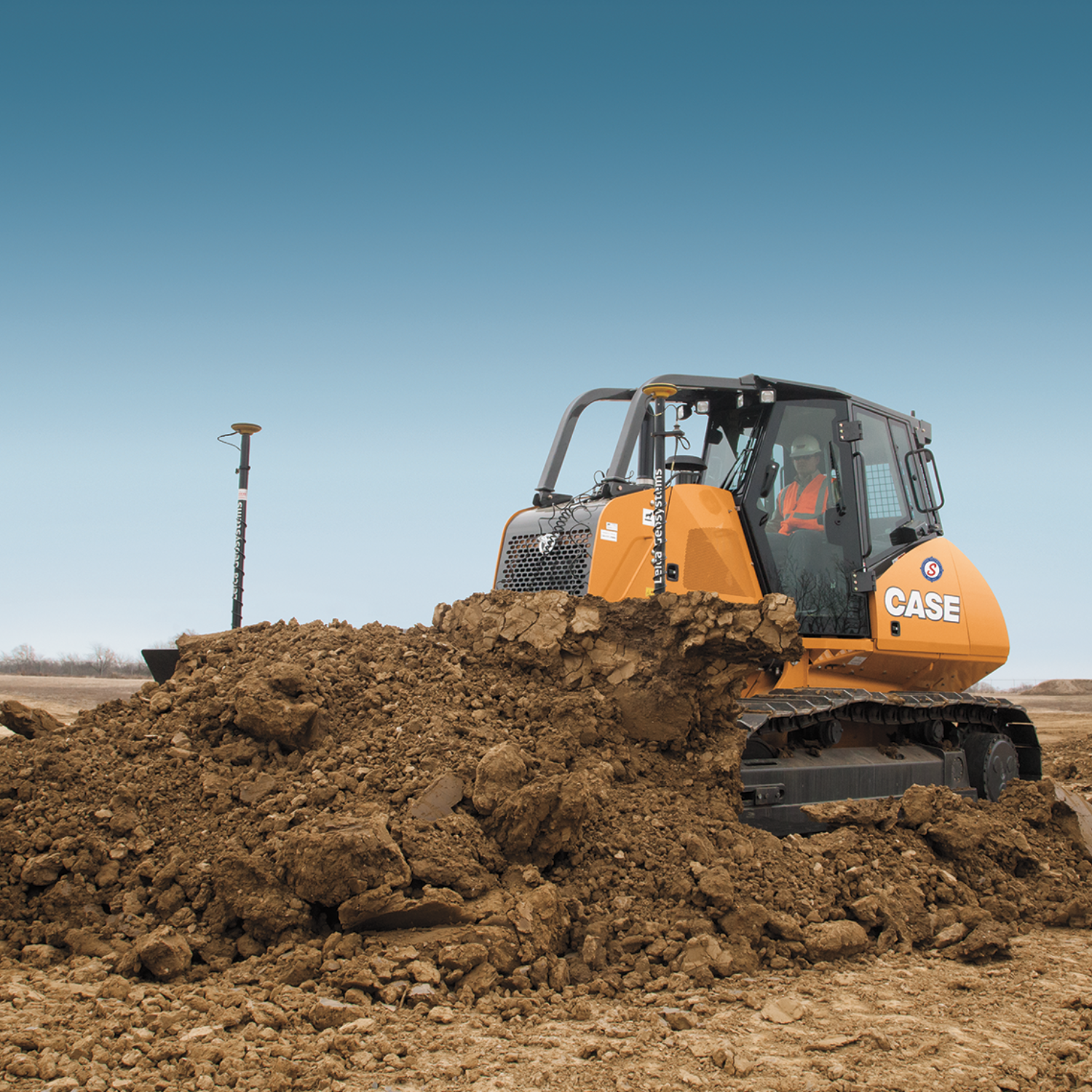
We all know the feeling. You’re looking at a new CASE excavator or a Kobelco crawler, and you can already see it making short work of that next contract. But then you look at the price tag. Most heavy iron doesn’t come cheap. We’re talking six figures of steel and hydraulics. Unless your wallet is deep, paying cash up front isn’t always the smartest way to manage your cash flow.
To make the right financing decision, contractors and owners need to weigh all their options. From traditional loans to leasing and rental purchase options, choosing the right heavy equipment financing depends on your cash flow, credit, and long-term business goals.
We sat down with Southeastern Equipment’s finance manager, Joe Mead, to get the dirt on how to finance heavy equipment. Here is everything you need to know about navigating the world of heavy equipment financing before signing on the dotted line.
What Is Equipment Finance?
Heavy equipment financing, at its simplest, is a way to get the machinery you need to work right now without emptying the company bank account on day one.
Effective heavy equipment finance allows you to:
- Keep Your Cash: Maintain a safety net for materials or seasonal dry spells.
- Upgrade Technology: Get into machines with better fuel efficiency and telematics.
- Grow Your Fleet: Scale your business faster than you could with cash alone.
- Tax Advantages: Score big wins with the Section 179 deduction.
Understanding Your Heavy Machinery Financing Options
You don’t need a finance degree to figure this out. Just think about what your business needs, how long you’ll need it, and how you want to pay.
1. Traditional Equipment Loans: Full Ownership & Long-Term Investment
A traditional loan is like getting married. It’s a long-term commitment, but at the end of the day, the machine belongs to you. You borrow the money, buy the machine, and build equity with every payment.
- Best For: Owner-operators who plan to run the same machine for 5–10 years.
- Pros: You own the machines, can customize them, have no usage (hour) limits, help build business credit and equity, and have fixed monthly payments for easier budgeting.
- Cons: Higher monthly payments than leasing, usually requires a down payment (typically 10-20%), and equipment depreciation can reduce resale value over time.
2. Equipment Leasing: Flexibility & Lower Upfront Costs
Financing for heavy equipment via a lease is more like a long-term date. You pay for the use of the machine for a set period (usually 2–5 years). When the time is up, you can buy it, trade it in for a newer model, or just walk away.
- Best for: High-utilization contractors who want the latest tech every few years without super expensive monthly payments.
- Pros: Lower monthly payments and lower upfront costs, access to the latest models with updated technology, and flexible end-of-term options (purchase, renew, or return).
- Cons: You aren't building equity unless you exercise the buyout option at the end, and monthly payments can add up over time.
3. Rental Purchase Option (RPO): Try Before You Buy
If you’re on the fence about a machine, an RPO lets you "try before you buy." You rent the equipment for a few months, and a portion of those rental payments can be applied to the purchase price if you decide to pull the trigger.
- Best For: Contractors who want to “test drive” a machine before committing to ownership.
- Pros: Reduces the risk of buying the wrong machine, and payments apply toward ownership if you decide to buy.
- Cons: Might cost more than a straight loan if you don’t buy, and may have shorter terms compared to standard loans.
If you’re leaning toward this route, check out our dedicated guide on Understanding Rental Purchase Options for a deep dive.
4. Manufacturer Financing: Exclusive Rates & Incentives
One of the best ways to secure financing for construction equipment is through the manufacturers themselves. Because they want to see their machines on your job site, they often offer "sweetheart" deals you won't find at a local big-box bank. Many equipment manufacturers offer financing programs with competitive rates, lower interest, and special incentives. Financing through a manufacturer can often provide better terms than traditional bank loans, especially on new equipment.
- Pros: Lower or 0% interest rates and financing promotions, simplifies the purchasing process, may include extended warranties and special incentives.
- Cons: Requires strong business credit and less flexibility compared to independent financing sources.
We work closely with our partners to bring you the best heavy equipment finance rates. Check out our promotions to see what financing deals are currently available.
How to Choose the Best Financing Plan for Your Business
So, how do you decide? Our finance manager says it’s all about asking the right questions. Here are the key factors to consider before making a decision:
1. Business Financial Health
Your credit score and cash flow play a major role in determining financing eligibility and the rates you’ll receive. A strong credit profile and capital for a down payment can unlock better interest rates and more favorable loan terms. If you’re a new business, you also need to make sure you’re properly registered with the state, as banks won’t finance unregistered businesses.
2. Equipment Usage & Lifespan
How long you plan to use the equipment should guide your financing decision. If it’s for a short-term project (3-4 months), renting might be the best option to avoid long-term financial commitments. For mid-term projects (2-3 years), leasing could help lower costs while keeping monthly payments manageable. If you plan to use the equipment across multiple jobs for years to come, purchasing is a better investment for long-term savings and equity.
3. Monthly Budget & Cash Flow
Beyond the purchase price, consider whether your business can comfortably manage monthly payments while covering operational costs. Leasing or opting for an RPO could free up cash for other essential expenses while still providing access to the equipment you need.
4. Flexibility & Future Growth
If your business is growing, consider whether leasing or an RPO would provide the flexibility to upgrade equipment as technology advances. On the other hand, if you prefer full ownership and want the ability to resell the machine later, financing or outright purchasing may be the better route.
Don’t Forget the Used Market
You don’t always need a brand-new machine. Financing for heavy equipment also applies to used iron. While interest rates may be slightly higher than 0% new machine promotions, the lower overall purchase price can keep your monthly overhead much lower. We offer the same expert finance support for our used inventory as we do for the new stuff.
Watch Out For These Mistakes
- Ignoring total loan costs: Always factor in interest rates, fees, and depreciation.
- Over-financing: Banks won’t let you borrow more than you can handle. Stick to what makes sense for your business.
- Not shopping around: Compare manufacturer financing, bank loans, and leasing rates.
- Skipping the fine print: Some loans have prepayment penalties, while others offer flexible early payoff options.
And if your credit score isn’t exactly brag-worthy? No worries. Try your local bank first. They might be more willing to work with you than a big lender who only sees numbers on a page.
Find The Right Fit With Southeastern
We don’t just hand you a brochure and send you on your way. We’ll walk you through the options, whether that’s a low-interest manufacturer deal, lease-to-own, or short-term rental. Our goal? Help you get the equipment you need, on terms that actually work for your business. Talk to your sales rep, check out our current financing promotions, or explore our financing options to finance smarter, not harder.