

.jpg?width=5405&height=3466&name=R6M23866%20(1).jpg)

.jpg?width=8064&height=4536&name=DJI_20251029111957_0067_D%20(3).jpg)
Neglected construction machinery maintenance might not show its teeth right away, but when it does, it bites hard. It usually comes in the form of unexpected downtime, costly repairs, or a blown project timeline. That’s why a proper construction equipment maintenance plan is essential to keeping your iron (and your business) running smoothly.
In this blog, we’ll break down what having a construction equipment maintenance program really means, the benefits of a structured plan, and how Southeastern Equipment can help you stay ahead of costly surprises.
What Is Construction Equipment Maintenance?
Maintenance is more than just fixing a flat or topping off fluids. It’s about keeping your machines in tip-top shape so they can perform at their best, day in and day out. That includes everything from your bulldozers and backhoes to compactors and skid steers.
At its core, equipment maintenance is any action that helps extend the life of your machine, prevent failures, and keep your team safe on the jobsite. And with heavy equipment being a major investment, keeping it in top working order protects your bottom line.
Types of Equipment Maintenance
There’s a big difference between "fixing things" and having a construction equipment maintenance program.
- Routine Maintenance: These are the daily or weekly tasks operators should handle: checking fluids, spotting leaks or wear, and reporting any new sounds or warning lights.
- Reactive Maintenance (aka Breakdown Repairs): This is what happens when you wait until something breaks. You lose time, productivity, and possibly your cool. While sometimes unavoidable, reactive maintenance should be the exception, not the rule.
- Preventive Maintenance: This is the gold standard. It involves planned service intervals based on usage, manufacturer recommendations, or telematics alerts.
Proactive vs. Reactive: Why the "Program" Matters
Reactive maintenance is like waiting for your tooth to fall out before you visit the dentist. It’s painful, expensive, and ruins your week. A proactive equipment maintenance plan uses telematics and scheduled service to ensure you're working on the machine when you choose to, not when the machine chooses to quit on you.
One of Southeastern’s technicians summed it up well: “You can pay a little now, or a lot later.” We’ll take the first option, thanks.
Why a Maintenance Plan Matters
But maintenance isn’t just about preventing problems. It also boosts your return on investment (ROI). The better you care for your equipment, the more work it can handle, the longer it lasts, and the higher its resale value.
- It Saves You Money: Heavy equipment preventive maintenance keeps you from shelling out thousands on emergency repairs. By addressing small issues early, you avoid major failures that sideline your machines and chew through your budget.
- It Makes Expenses Predictable: A maintenance plan helps you budget better. Instead of surprise repairs, you’re spreading costs over the year.
- It Extends Equipment Life: Regular servicing helps machines run longer, stronger, and more efficiently. It also boosts resale value. Buyers love a well-documented maintenance history.
- It Improves Safety: Malfunctioning machines are dangerous. Keeping them maintained means fewer on-site hazards and helps you stay in compliance with OSHA, MSHA, and manufacturer warranty requirements.
- It Maximizes Uptime: You can’t make money with a machine that’s dead in the water. Maintenance keeps your equipment ready when you need it.
- It Boosts Performance: Well-maintained machines use less fuel, work more efficiently, and handle better. It’s a win-win.
The Preventive Maintenance Checklist
Building a successful equipment preventive maintenance program starts with knowing what to look for. While every machine has its own quirks, here is the "Southeastern Standard" for your daily and interval checks:
The Daily Walkaround (Operator Responsibility)
- Fluids: Check engine oil, coolant, and hydraulic levels. Look for "milkiness" (water) or burnt smells.
- Leaks: Look at the ground and around hoses for fresh drips.
- Undercarriage/Tires: Clear out packed mud from tracks and check tire PSI (especially in winter).
- Safety: Test lights, backup alarms, and seatbelts.
The 250/500 Hour Service (The "Oil & Filter" Interval)
- Filter Changes: Replace engine, fuel, and air filters.
- Sampling: This is where the pros shine. We recommend oil analysis to "read the tea leaves" of your engine’s health before a component fails.
- Greasing: Hit every zerk. If it moves, it needs grease.
The 1,000+ Hour Service (The Deep Dive)
- Hydraulic System: Drain and replace hydraulic fluids.
- Cooling System: Flush and refill coolant to prevent engine overheating during those brutal July shifts.
- Transmission/Final Drives: Check for metal shavings or gear wear.
Building Your Equipment Maintenance Plan Strategy
- Start with the OEM Guidelines: Every machine comes with service recommendations. Follow them. (We know, we know—reading the manual isn’t as fun as running the machine. But trust us, it pays.)
- Customize Based on Usage: Muddy sites? Heavy loads? Stop-and-go work? These factors mean you might need more frequent checks than the manual suggests.
- Assign Responsibilities: Operators should handle basic inspections. For deeper service, use in-house techs or partner with a service provider like Southeastern.
- Use Telematics & Service Logs: Digital tools like telematics help you track hours, flag faults, and schedule service. Maintenance logs (paper or digital) are key for compliance and resale.
- Don’t Forget the Daily Stuff: Make daily walkarounds part of the routine. Check tracks or tires, look for leaks, inspect attachments, and make sure safety systems work.
- Partner with the Pros: If your in-house team is slammed, use a service provider like Southeastern to handle the heavy lifting.
Construction Equipment Maintenance FAQs
1. What is the most important part of heavy equipment maintenance?
Lubrication. Friction is the enemy of heavy iron. Keeping pins, bushings, and joints greased is the simplest way to prevent premature wear. Second, keep your filters clean. Engines need to breathe just as much as you do.
2. How do you keep track of maintenance for construction equipment?
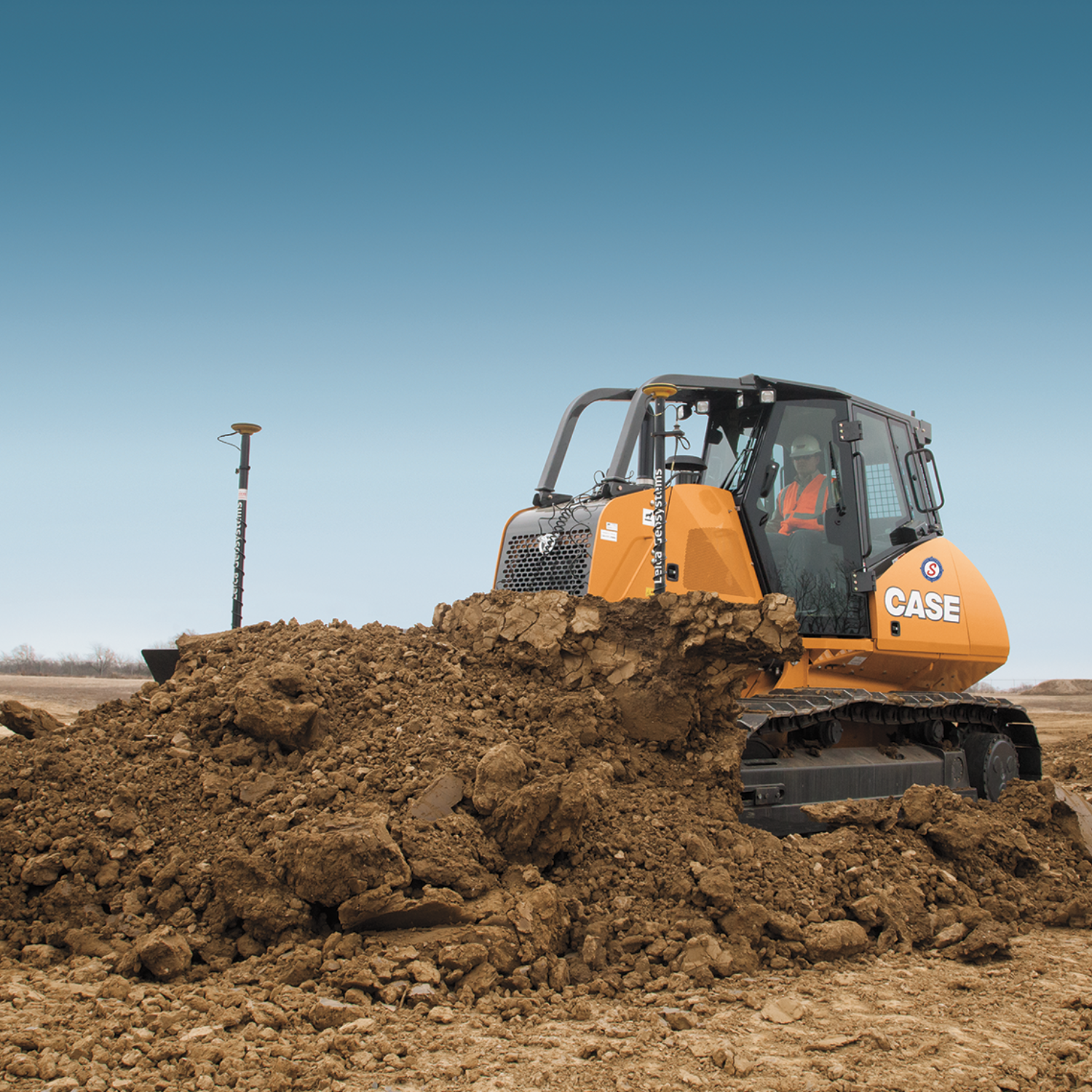
Use a mix of digital and physical logs. Most modern CASE or Kobelco rigs come with telematics that send alerts to your phone when service is due. Partnering with a dealer like Southeastern means we can track those hours for you and call you before a missed interval becomes a problem.
3. How does preventive maintenance improve ROI?
A well-maintained machine has a much higher resale value. When it’s time to trade in, a documented construction equipment maintenance program proves to the next guy that the machine wasn't abused. Plus, you’re saving thousands by maximizing equipment ROI through fuel efficiency and uptime.
Schedule a Maintenance Service with Southeastern
We don’t just fix machines. We help contractors build smart maintenance strategies that work. Here’s what you get with our team:
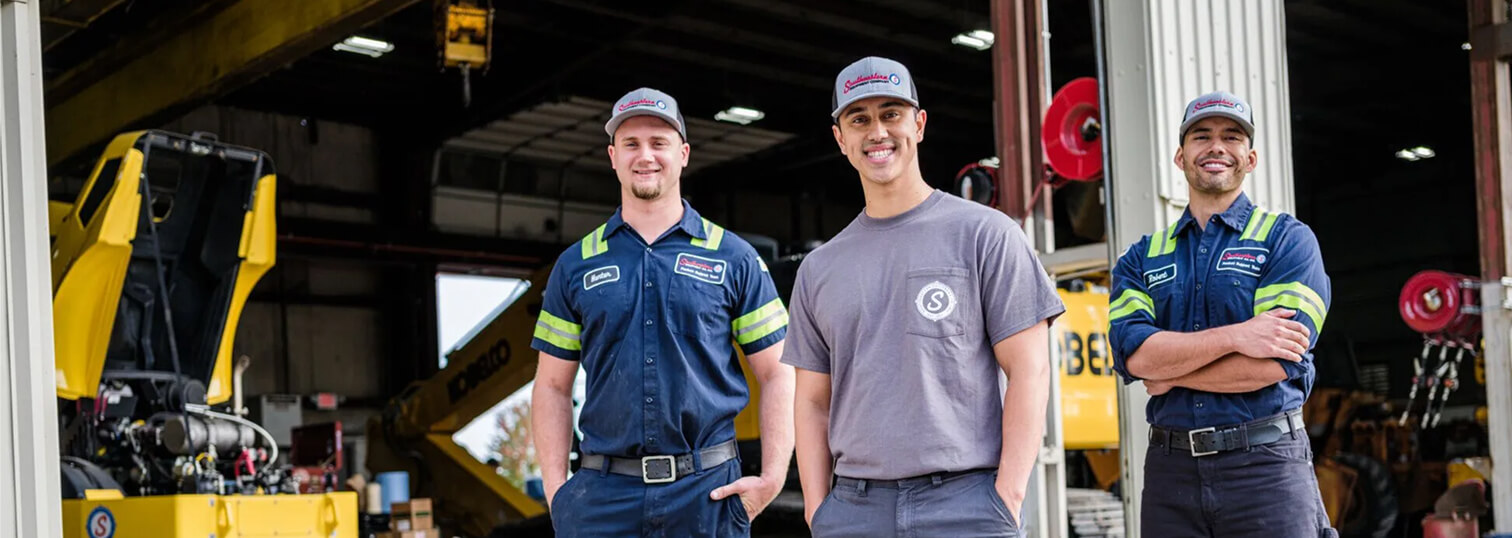
- Certified techs trained in major brands like CASE, BOMAG, Kobelco, and more
- Preventive maintenance services tailored to your fleet
- On-site or in-shop service options
- Fleet tracking and service reminders
- Documentation that helps with compliance and resale
- Consistent promotions on labor and services
Our job is to keep your equipment in the field, not sitting in the shop. Whether it’s a quick oil change or a full undercarriage rebuild, we’re here to help you stay ahead of the curve. Ready to build or upgrade your equipment maintenance plan? Our team is standing by. Schedule a service or repair appointment today.