


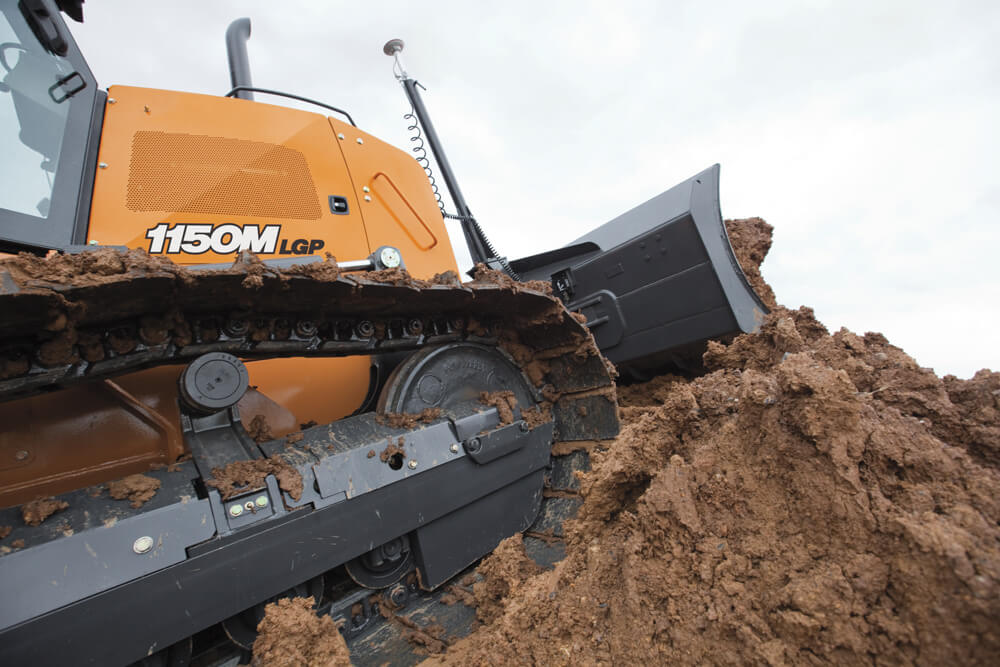
Your undercarriage does the dirty work — literally. Whether you’re grading, trenching, or moving mountains (or at least dirt piles), your machine’s undercarriage takes a beating every single day. And if you don’t keep up with maintenance? Well, let’s just say downtime gets real expensive, real fast.
Proper undercarriage maintenance isn’t just about keeping your equipment running; it’s about saving you thousands in unnecessary repairs. Oftentimes 50% of all maintenance costs are just for expenses related to the undercarriage. Follow these pro tips to extend the life of your excavator, dozer, or tracked equipment and keep your projects on schedule.
6 Undercarriage Maintenance Tips
Extend the life of your undercarriage by following a few simple rules.
1. Create a Planned Maintenance Schedule
A little planning now saves a fortune later. Your undercarriage isn’t going to last forever (we wish!), but routine inspections can help identify how much life is left in your undercarriage. What you should be checking regularly:
- Track tensions (too loose = slipping, too tight = excessive wear
- Bushing and roller thickness
- Sprocket wear patterns
- Track alignment
2. Check the Jobsite and Plan Appropriately
Before work gets started, check the ground conditions and terrain on your jobsite. Firmness, terrain variety, and slope are all important factors on how fast they chew up your tracks. Determine what kind of tracks are more appropriate for the conditions and discuss the plan with your operators. Also, consider discussing a plan to minimize unnecessary travel. The less time spent tracking, the better.
3. Properly Train Operators
Your operators have a lot to do on-site, but small changes in how they run the equipment can dramatically extend undercarriage life. Properly trained and informed operators will follow best practices that minimize wear and tear on the equipment. Teach your crew to:
- Make wider turns instead of sharp pivot turns (which wear tracks unevenly).
- Keep speeds reasonable, running at high speed increases wear and fuel use.
- Avoid spinning tracks on soft ground. It just digs you into a deeper problem.
Make sure that your operators are properly trained and understand signs of potential problems and how to obtain the best performance from the equipment.
4. Avoid Digging Over the Sprocket
Digging over the sprocket puts excessive stress on your tracks, which can cause bushings to crack or break. Instead, train your operators to dig over the front idlers to reduce the impact on undercarriage components.
5. Operate from Flat Surfaces
Try to operate on flat surfaces wherever possible. Avoid traveling on terrain that is uneven or has obstructions. Because constantly operating in one direction on hills can accelerate wear on the undercarriage, spend as little time as possible working on slopes. If it is necessary, try to work up and down the slope instead of side-to-side to minimize wear.
6. Utilize Telematics
Modern machine telematics systems can provide critical maintenance and operating data on undercarriage wear and tear. They can track wear, hours, and repairs in real time. Pay close attention to the machine operating hours to schedule undercarriage maintenance on time and avoid repairs and downtime.
Keep Your Fleet Rolling With Southeastern
Your undercarriage is your foundation — take care of it, and it’ll take care of you. Southeastern Equipment’s technicians are trained to identify undercarriage problems before major repairs are required. By measuring the thickness of the undercarriage components, our technicians can predict how long your undercarriage will last before replacements are needed. During preventive maintenance service, we include undercarriage evaluations at no charge. We also always have promotions running to help you save on costs. Find your nearest branch and schedule a service today.
 Buy New
 Buy Used
 Buy Parts
 Schedule Service