

.jpg?width=5405&height=3466&name=R6M23866%20(1).jpg)

.jpg?width=8064&height=4536&name=DJI_20251029111957_0067_D%20(3).jpg)
Think it’s all about the sticker price? Think again.
When it comes to buying or financing construction equipment, too many folks focus on the upfront cost and forget about everything that comes after. Fuel, maintenance, downtime, resale value—it all adds up. That’s where understanding your total cost of ownership (TCO) comes in.
Whether you're running a fleet or just one workhorse machine, TCO gives you the full financial picture. This blog breaks it down, plain and simple, so you can make smarter decisions with your hard-earned cash.
What Is Total Cost of Ownership?
Total Cost of Ownership is the sum of all direct and indirect costs associated with owning a piece of equipment over its usable life. It helps you look beyond the purchase price and see the full cost of keeping that machine running on your jobsite.
The Core Components of Equipment TCO
1. Acquisition Cost
- Purchase price
- Sales tax, financing fees, insurance, etc.
- Add-ons or attachments
- Preventative maintenance contracts
- Extended warranties
2. Operating Costs
- Fuel: Depending on the size of the machine, fuel alone can make up 30–50% of your operating costs. Pro Tip: Telematics and idle tracking can help reduce this.
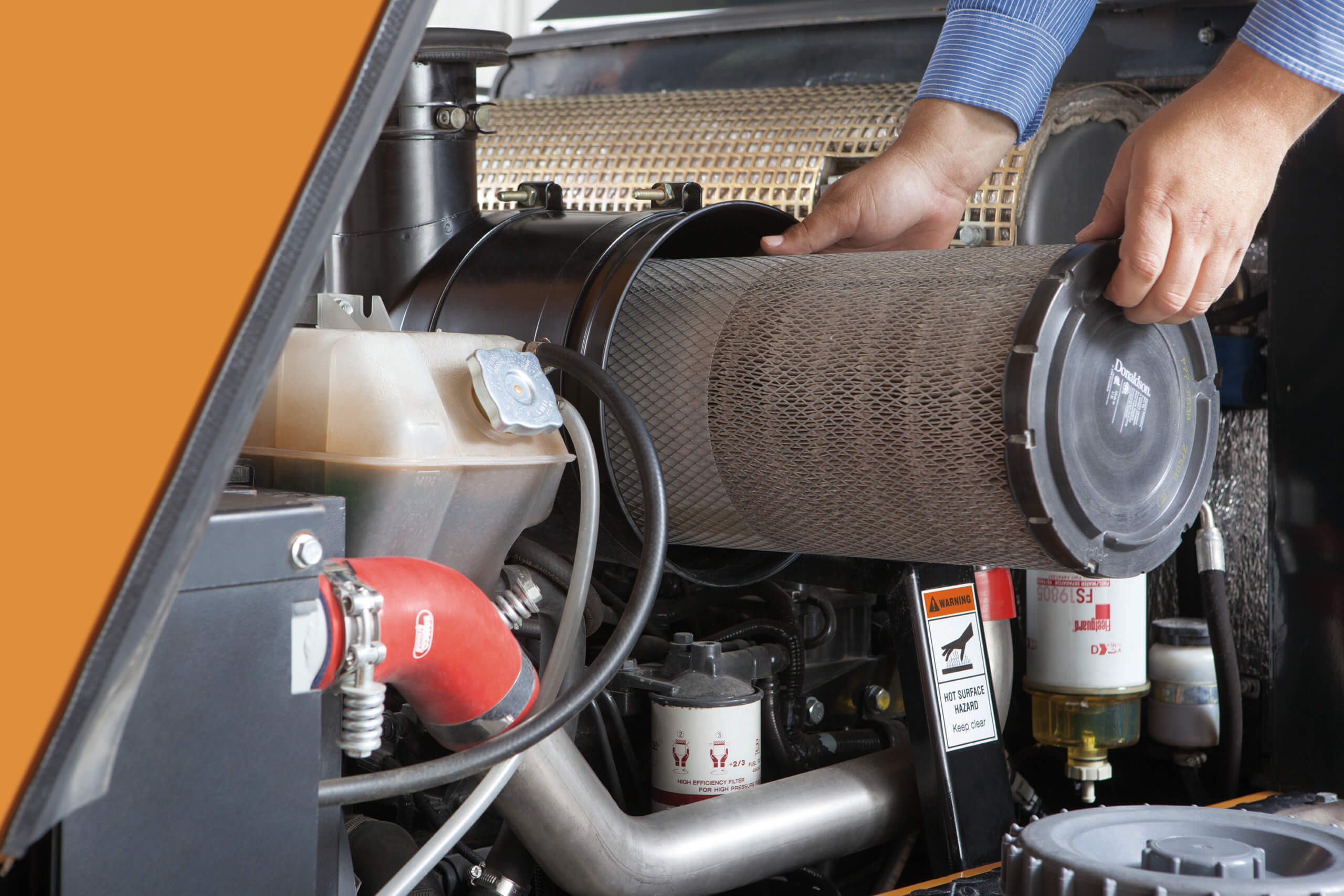
- Maintenance & Repairs: This includes both scheduled services (like oil changes and inspections) and unexpected repairs. Regular fluid analysis can prevent breakdowns and extend lifespan.
- Tires, tracks, and wear parts: Think cutting edges, filters, hydraulic hoses, etc., that add up over time. And we recommend using OEM parts. While they cost a little extra, they’re specifically designed for your machine and help extend its lifespan.
3. Downtime Costs
- Every minute a machine isn’t running is money lost. According to industry reports, unplanned downtime can cost $500–$1,000+ per hour, depending on project complexity.
- Good preventive maintenance and having a dealer who can respond quickly (hey, that's us!) reduces downtime significantly.
4. Depreciation
- All machines lose value over time. But some hold up better than others.
- Maintaining detailed service records and sticking with top-tier brands helps maximize resale value.
5. Resale Value or Trade-In
- A well-maintained machine with clear maintenance records will command a better trade-in price down the line.
- Clean equipment with a service history can add 10–20% more to resale value versus neglected machines.
Think of it like buying a truck. You wouldn’t just budget for the sticker price. You’d also think about gas, oil changes, tires, insurance, and repairs. Same thing applies here, just with bigger tires.
How to Estimate Equipment Cost in Construction
Use this quick formula to ballpark your total cost of ownership:
TCO = Purchase Price + Operating Costs + Maintenance + Downtime – Resale Value
Let’s say you buy a backhoe for $100,000.
- Operating cost (fuel, routine maintenance): $10,000/year
- Downtime & repairs: $3,000/year
- You keep it for 5 years and sell it for $50,000
Your TCO = $100,000 + (5×$10,000) + (5×$3,000) – $50,000 = $115,000
Now compare that to renting or leasing, and you’ve got some real data to work with.
Pro tip: Use our equipment financing resources to get a clearer idea of how monthly payments affect your TCO.
Buy, Lease, or Rent? How TCO Helps You Decide
If your TCO is sky-high for a machine you only use occasionally, you might be better off renting. If you're going to run a machine into the ground over 5 years and it pays for itself in 2, buying may be your best bet. Leasing might split the difference if you want lower monthly payments and newer machines more often. But again, check the full cost, not just the payment.
Renting can be a smart move for:
- Short-term jobs
- Seasonal work
- Trying before you buy
But owning pays off if:
- You’re using the machine daily or weekly
- You can service it properly
- You want to build equity in your equipment
How Southeastern Helps You Control the Real Cost of Ownership
Working with a dealer that’s got your back? That’s worth more than you think. Here's how Southeastern keeps your TCO lower:
- No hidden fees: Delivery and training are included in your machine purchase. No surprises there.
- Reliable parts and service: Preventative maintenance, fast repairs, 24/7 online parts store, and a team that actually picks up the phone.
- Financing that fits: Real-world payment plans, not one-size-fits-all solutions.
- Equipment that holds value: We carry brands built to last, and that means better resale.
- Telematics integration: So you can track fuel use, idle time, and machine health.
- Honest advice: On whether to rent, buy, or do a little of both for your projects.
Bottom Line: Know Before You Owe
Whether you're buying new or used, financing or renting, understanding the total cost of ownership helps you:
- Avoid budget surprises
- Plan for long-term profitability
- Make smarter decisions for your crew and your wallet
Ready to crunch the numbers or explore financing options? Let’s talk.
Want to go deeper on how to pick the right payment plan for your equipment? Check out our heavy equipment financing guide.